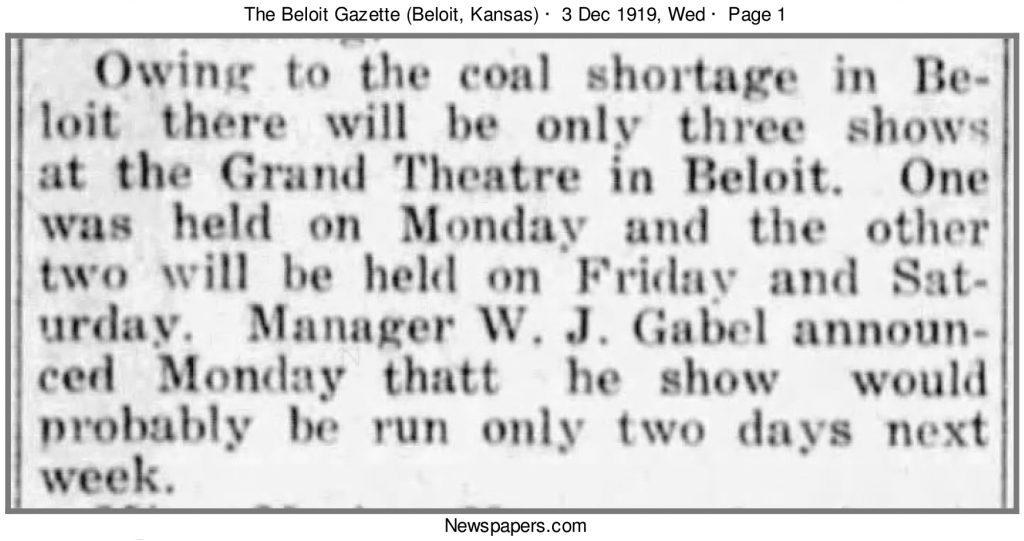
Impact: Grand / Dickinson Theater
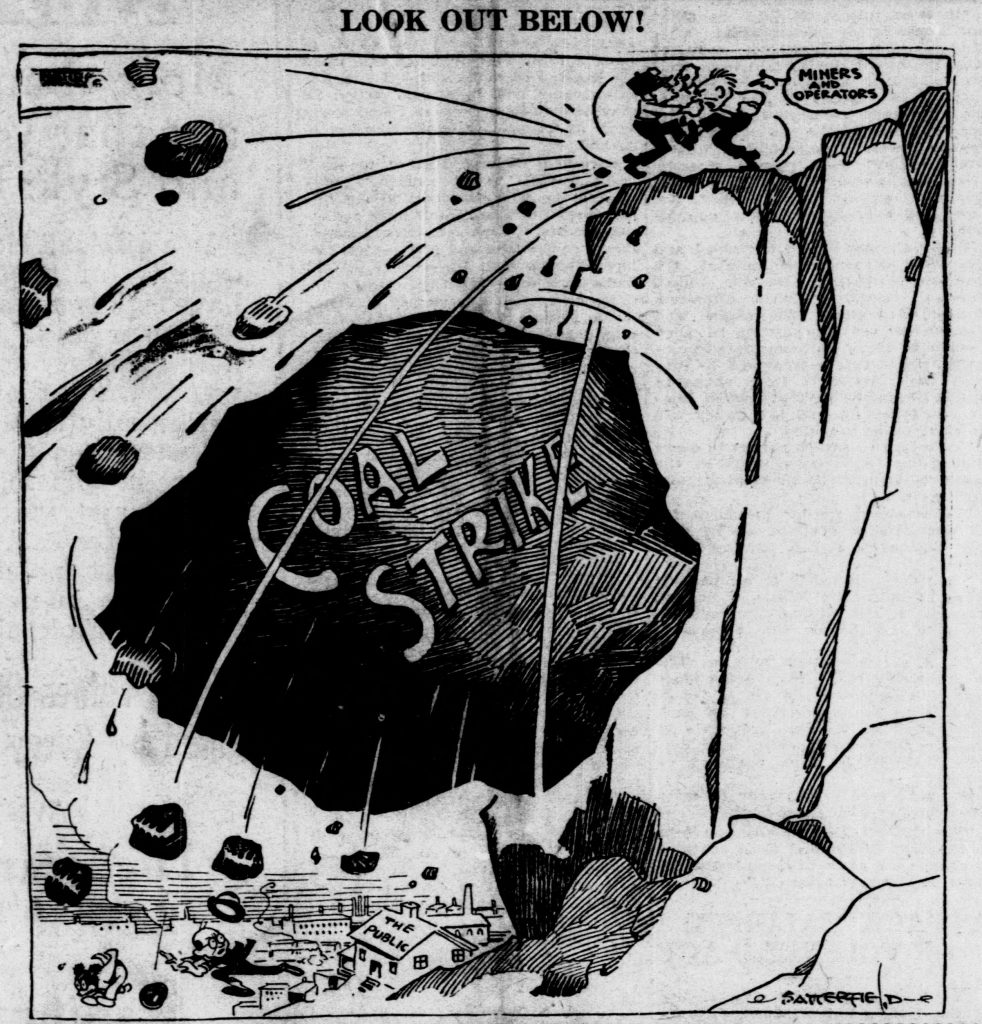
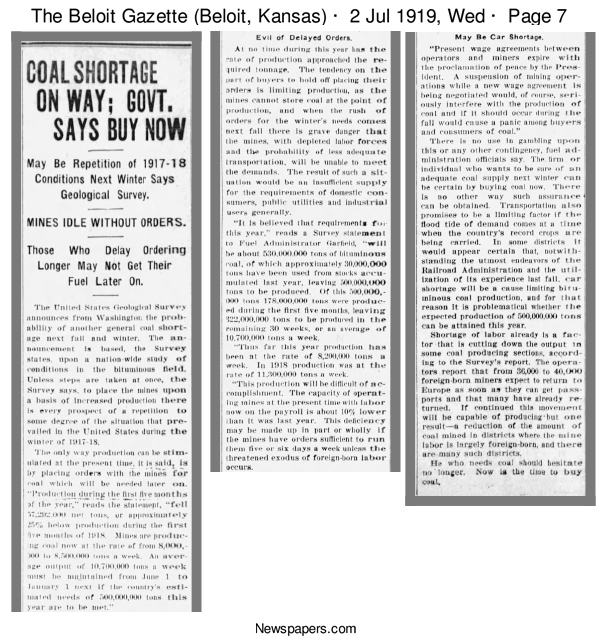
The United Mine Workers under John L. Lewis announced a strike for November 1, 1919. They had agreed to a wage agreement to run until the end of World War I and now sought to capture some of their industry’s wartime gains. Attorney General A. Mitchell Palmer invoked the Lever Act, a wartime measure that made it a crime to interfere with the production or transportation of necessities. The law, meant to punish hoarding and profiteering, had never been used against a union. Certain of united political backing and almost universal public support, Palmer obtained an injunction on October 31 and 400,000 coal workers struck the next day. He claimed the President authorized the action, following a meeting with the severely ill President in the presence of his doctor. Palmer also asserted that the entire Cabinet had backed his request for an injunction. That infuriated Secretary of Labor Wilson who had opposed Palmer’s plan and supported Gompers’ view of the President’s promises when the Act was under consideration. The rift between the Attorney General and the Secretary of Labor was never healed, which had consequences the next year when Palmer’s attempts to deport radicals were frustrated by the Department of Labor.
Wikipedia
A real impact on the people. Not only did businesses have to cut back for lack of electricity, but people had to deal with the lack of the primary heat source in their homes.